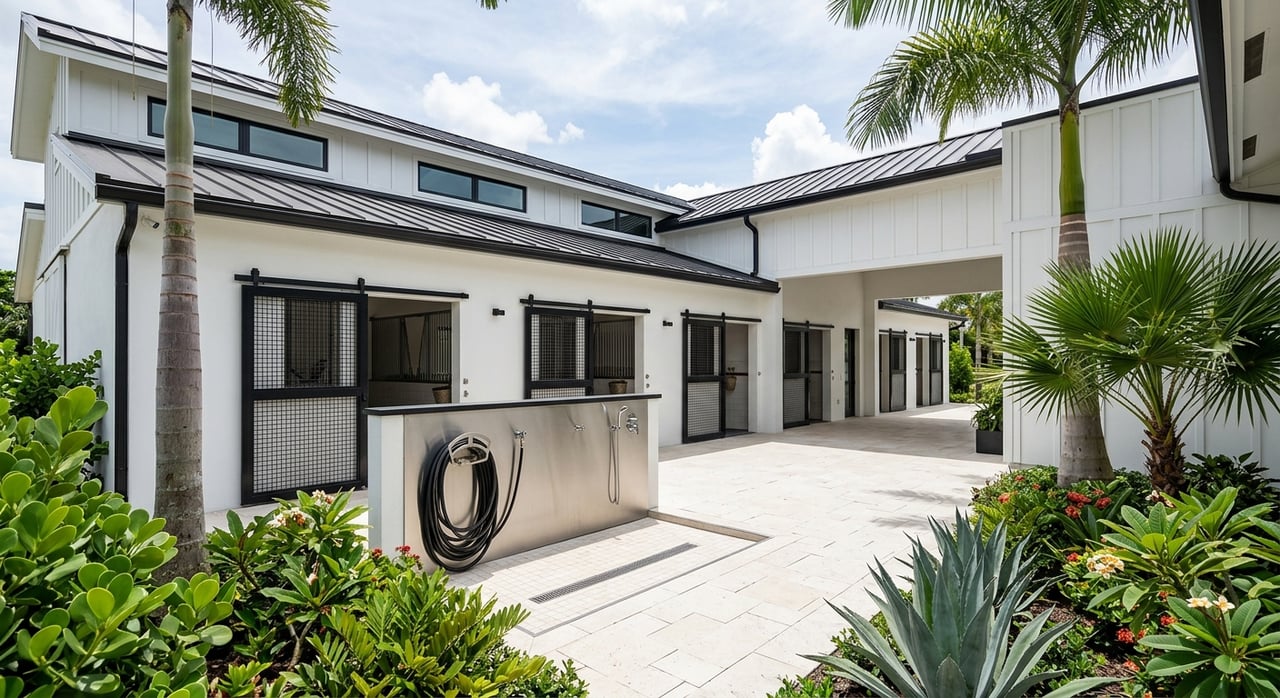
If you are selling an equestrian property in Wellington, getting it market-ready takes more than fresh paint and tidy landscaping. Buyers in this niche often look at the full operation, from the home and barn to turnout areas, access, drainage, and how clearly the property supports day-to-day horse use. The good news is that with the right preparation, you can present your property in a way that feels organized, functional, and ready for serious interest. Let’s dive in.
Why Wellington preparation matters
Wellington is a uniquely specialized market. The Village of Wellington describes itself as an international equestrian community with more than 57 miles of trails, a year-round equestrian preserve, and a season that runs from November through April. The village also notes that the community can peak at nearly 13,000 horses during the season.
That seasonal visibility gives sellers a real opportunity. Wellington International reports that the Winter Equestrian Festival runs for 13 weeks from January through March, while the Adequan® Global Dressage Festival runs for 10 weeks during that same winter window. According to the same source, competitors and visitors come from all 50 states and more than 34 countries.
That audience has a measurable local impact. Wellington International reported that the 2025 Winter Equestrian Festival generated $536.2 million in Palm Beach County economic impact, along with 210,911 paid room nights and 4,869 jobs, showing just how much attention flows through the area during peak season.
Focus on the full property
When buyers shop for equestrian real estate, they are usually evaluating much more than square footage. They want to understand how the property functions, how it has been maintained, and whether it looks ready for immediate use.
That is especially important because Wellington horse farms vary widely. The village notes that farms can range from 1 acre to 200 acres, with 2-acre and 5-acre properties among the most common sizes. In a market with such a broad range of property types, clear presentation helps buyers understand what makes your property stand out.
Prepare the home and barn together
Your house matters, but your equestrian improvements matter just as much. Buyers need to picture both the living experience and the horse setup, so your preparation should cover the entire property.
NAR staging research found that 83% of buyers’ agents said staging made it easier for buyers to visualize a property as their future home, and 60% said staging affected at least some buyers. For an equestrian listing, that same principle applies to the barn, tack room, feed room, grooming areas, and outdoor spaces.
A fully styled barn is not always necessary. What matters most is that the property reads as clean, functional, and well maintained during photos, videos, and in-person showings.
Areas to clean and organize
Before listing, pay special attention to:
- Barn aisles and stall fronts
- Tack and feed rooms
- Grooming and wash areas
- Turnout spaces
- Fencing and gates
- Driveways and trailer parking
- Visible drainage paths and low spots
- Internal roads and access points
In Wellington, these details carry extra weight. The village’s Equestrian Preserve Committee specifically lists rider and animal safety, along with flooding and drainage, among its duties. That makes it especially important to show clean footing, sound fencing, working gates, and visible drainage improvements where applicable.
Make safety and condition easy to see
Serious buyers often notice practical issues quickly. A loose gate, worn fencing, muddy entry, or cluttered trailer area can distract from the strengths of the property.
Before going live, walk the property as if you were seeing it for the first time. Look for anything that could raise questions about maintenance, access, or usability. Small repairs and thoughtful cleanup can make the property feel more turnkey and easier to evaluate.
Prioritize these pre-listing fixes
Consider addressing:
- Broken boards or damaged fence sections
- Gates that stick or do not latch properly
- Standing water or poorly drained areas
- Overgrown edges around riding or turnout spaces
- Burned-out lights in barns or exterior walkways
- Cracked pavement or uneven surfaces near trailers and service areas
You do not need to over-improve every space. You do want buyers to see a property that looks cared for, safe, and operational.
Gather records before you list
Good preparation is not only visual. It is also administrative. In Wellington, paperwork can play a major role in helping buyers understand how a property has been used and what approvals or classifications may apply.
Palm Beach County guidance says agricultural classification is granted only to properties that qualify as bona fide commercial agricultural use. The county also notes that some approvals require either a valid agricultural tax classification or a sworn affidavit with supporting documentation showing current use and the prior three consecutive years.
The county further states that agricultural building permit exemptions apply only if the property is designated agricultural land and used primarily for bona fide agricultural purposes. For sellers, this makes organized records especially valuable.
Documents to pull together early
Try to assemble:
- Agricultural classification letters
- Exemption approvals
- Building permit records
- Surveys
- Barn or fence permit documentation
- Drainage or pond records
- Irrigation records
- Internal road documentation
- Maintenance history for major improvements
- Gate codes and emergency access contacts, if applicable
Having these items ready can help reduce delays once buyers begin asking questions. It also gives your listing agent more confidence when marketing the property’s features and use.
Invest in strong visual marketing
Most buyers begin online, and that is true even in a highly specialized market. If your property does not photograph well or lacks clear detail, you may lose attention before a showing is ever scheduled.
According to NAR’s staging snapshot, 41% of buyers found photos very useful, 39% valued detailed property information, and 51% found their home through an online search. NAR also reported in its 2025 technology survey that 52% of REALTORS® use drone photography and video, while 75% use social media.
For an equestrian property, visuals should do more than look attractive. They should help buyers understand layout, access, acreage use, and the relationship between the home, barn, riding areas, turnout, and parking.
What your marketing package should include
A strong launch often includes:
- Professional photography
- Aerial photography or video
- Floor plans, if available
- Clear captions and detailed property descriptions
- Images of barn interiors and functional spaces
- Photos that show driveway approach and trailer access
- Digital marketing that reaches buyers quickly
If drone media is used, it should be handled correctly. The FAA requires commercial drone operators to hold a Remote Pilot Certificate and register the drone under Part 107, so it is worth confirming that any vendor meets those standards.
Time your listing around the season
Timing can influence visibility in Wellington. If you have flexibility, listing before or during the winter circuit can put your property in front of the largest concentration of equestrian traffic.
The Village of Wellington notes that the equestrian season runs from November through April. Wellington International says the core Winter Equestrian Festival and Global Dressage Festival activity is concentrated from January through March, with Equestrian Village competition continuing from April through October.
That does not mean you cannot sell outside winter. It does mean winter often brings the most concentrated audience of riders, trainers, owners, and equestrian visitors into the area.
Best timing strategies
Depending on your goals, you may want to:
- Launch before the winter season to catch early planning and travel schedules
- Go live during peak winter traffic for maximum in-market visibility
- Prepare off-season, then list when marketing assets and paperwork are fully ready
The right timing depends on your property, your urgency, and how complete your market-ready plan is.
Reach the right buyers
Wellington attracts a broad equestrian audience, but not every buyer is looking for the same setup. Some may prioritize acreage and turnout. Others may care most about barn function, access, or proximity to competition venues.
That is why targeted marketing matters. Since Wellington International says visitors and competitors come from all 50 states and more than 34 countries, your listing strategy should be built to reach both local and out-of-area buyers who are already engaged with the equestrian market.
A polished listing package, detailed digital presentation, and focused outreach through trusted equestrian and brokerage channels can help your property reach the buyers most likely to appreciate its value.
Work with a specialized selling plan
Selling an equestrian property in Wellington is different from selling a standard home. You need a strategy that highlights function, supports due diligence, and presents the property in a way that makes sense to this niche audience.
That includes preparing the home, organizing the equestrian improvements, gathering records, choosing the right timing, and using marketing that shows the complete picture. When you get those pieces right, buyers can focus on the opportunity instead of the unknowns.
If you are thinking about selling your Wellington equestrian property, Sommar Clark can help you build a smart, market-ready plan with local insight and polished marketing support.
FAQs
What should sellers clean first when preparing an equestrian property in Wellington?
- Start with the most visible and functional areas, including the barn aisles, tack and feed rooms, grooming spaces, turnout areas, fencing, gates, driveway approach, trailer parking, and any visible drainage concerns.
When is the best time to list an equestrian property in Wellington?
- If your timing is flexible, listing before or during Wellington’s winter equestrian season can help you reach the highest concentration of seasonal horse-property buyers and visitors.
What paperwork should sellers have ready for a Wellington horse property?
- Sellers should gather agricultural classification documents, exemption approvals, surveys, permit records, drainage or pond documentation, irrigation records, and other maintenance or access-related paperwork.
Are drone photos useful for marketing a Wellington equestrian property?
- Yes. Aerial images and video can help show acreage, layout, riding areas, trailer access, and the relationship between the home and equestrian improvements more clearly.
Do you need to fully stage the barn before listing a horse property in Wellington?
- No. The goal is not full staging in every case, but the barn and related spaces should look clean, organized, functional, and well maintained for photos and showings.
