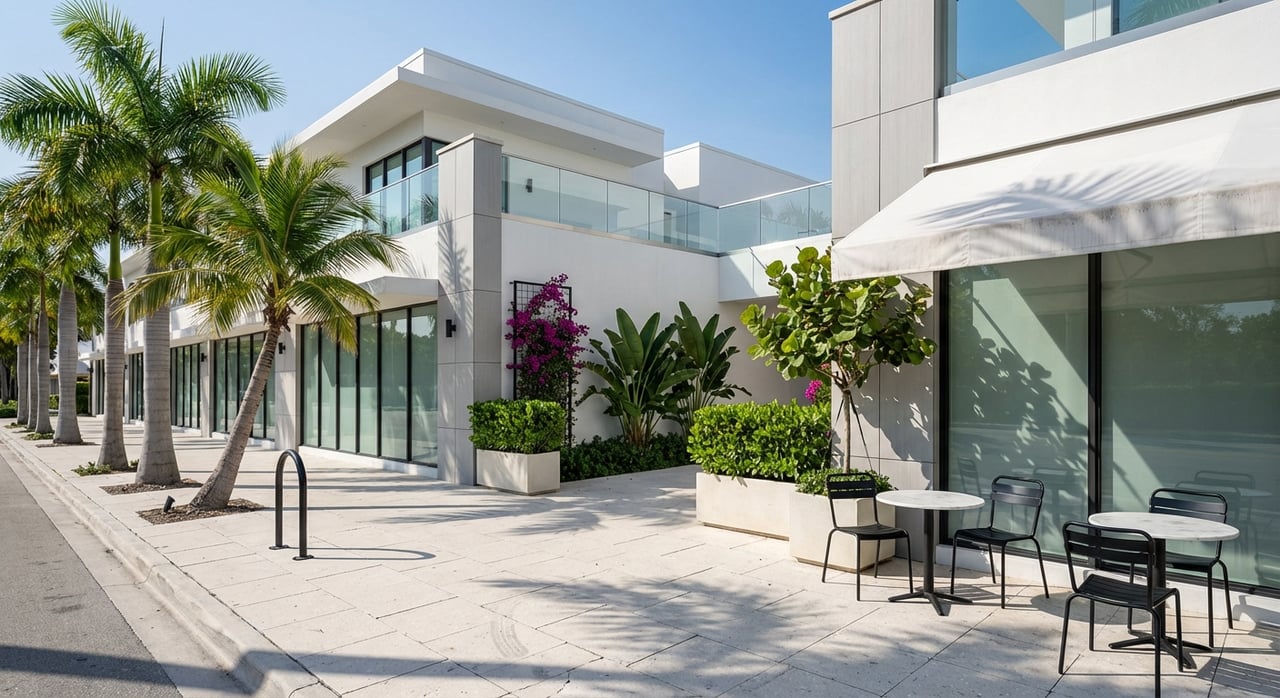
What if your morning walk to coffee also took you past galleries, palm-lined patios, and a beach you can reach in flip-flops? If you’re picturing a life where errands, dinner, and ocean time all fit into one easy loop, living near Atlantic Avenue in Delray Beach could be your sweet spot. You want the energy of a true main street with a relaxed, coastal pace. In this guide, you’ll see what daily life looks like, which nearby neighborhoods fit different lifestyles, and the key details to know before you buy. Let’s dive in.
Atlantic Avenue at a glance
Delray Beach’s Atlantic Avenue is the city’s walkable east–west main street that runs from I‑95 to A1A and the municipal beach. The downtown district is known as the “Village by the Sea,” with a tight mix of restaurants, boutiques, galleries, hotels, and public spaces within a few blocks of each other. You get a lively, small-town feel with coastal access right at the end of the Ave. Downtown Delray Beach’s DDA paints a clear picture of the district and its merchants.
The area balances everyday convenience and destination fun. You’ll find coffee, fitness studios, and grocery options alongside bistros, late-night spots, and arts programming around Old School Square and Pineapple Grove. That mix keeps evenings active, especially on weekends and during events. If you live on the closest blocks to the Ave, expect more energy and some noise on busy nights. Old School Square’s events calendar shows how often the district comes alive.
The beach is the eastern anchor. Atlantic Avenue ends right at Delray Municipal Beach, where you have lifeguards, restrooms, accessible paths, and managed chair and cabana rentals. That makes daily beach time an easy habit if you live near the Ave. You can review beach amenities on the city’s Delray Municipal Beach page.
Neighborhoods near the Ave
A few blocks can change the feel from bustling to residential calm. Here’s how the immediate neighborhoods “plug into” Atlantic Avenue.
Pineapple Grove Arts District
Pineapple Grove sits just north of Atlantic Avenue with murals, galleries, and small performance spaces. It’s a cultural pocket that stays close to the action while feeling a touch quieter on the residential streets a block or two away. Arts lovers often choose this area to keep walkability without landing on the busiest block. The district is highlighted by local visitor resources.
Housing here leans toward low- to mid-rise condos, lofts, townhomes, and some renovated historic buildings. If you want walk-to-everything living with a creative backdrop, Pineapple Grove is a natural fit.
Downtown core near Old School Square
The core stretches along Atlantic Avenue and the blocks around Old School Square. This is the highest-density mix of dining, bars, shops, hotels, and event spaces. Expect the most pedestrian activity here, especially on weekends and event days like the GreenMarket and First Friday Art Walks. Living a block from the Ave means instant access to daily dining and culture. Check Old School Square’s events to get a feel for the rhythm.
You’ll see boutique mid-rise condos, some hotel-branded residences, and infill projects. Redevelopment is reshaping certain corners, so it’s smart to confirm active project timelines during your search.
Beachside and Seagate
East of the Intracoastal, the streets shift to a more residential, beach-oriented vibe. You’re a short stroll to the sand, with ocean access points and small parks nearby. Days feel resort-like, while many evenings stay quieter than the core.
Housing here includes beachfront towers and ocean-block single-family homes. These addresses often command some of the city’s highest price-per-square-foot because of proximity to the water and views. For a daily ocean routine, this is the closest-in option near the Ave.
Lake Ida, Seacrest, and High-Point
North of downtown, you’ll find a more residential pace with tree-lined streets, larger lots, and lakes and parks nearby. It feels suburban compared to the core, but it’s still an easy bike or drive to Atlantic Avenue.
Most homes here are single-family, ranging from classic Florida styles to modern rebuilds. If you want a yard and a neighborhood feel while keeping quick access to downtown, this area often checks the boxes.
West Atlantic and neighborhoods west of US‑1
These are long-term residential neighborhoods with steady redevelopment interest and city planning attention. They’re typically more affordable than the immediate downtown and beachside blocks, while still offering access to the Ave’s amenities. Municipal planning for West Atlantic focuses on access, pedestrian comfort, and transit, shaping how these streets connect back to downtown.
Tropic Isle, Marina, and Intracoastal pockets
South of central Atlantic Avenue, you’ll find canal and deep-water boating neighborhoods. Buyers who prioritize private docks and Intracoastal access often focus here. Evenings tend to feel quieter than the downtown core, with the Ave just a short drive away.
Daily life: getting around
Downtown is built to be walkable. Many residents park once and then do most errands and dining on foot. The district also promotes options that make it easy to move around without your car, including a free local golf-cart shuttle service (FreeBee), bike-friendly options, and a trolley. You can see transportation details and arrival tips on the DDA’s How to Get Here page.
Parking is a daily-life detail to consider. You’ll find metered blocks on Atlantic, cheaper or free lots a block off the Ave, and public garages with time limits and posted rules. If you plan to host guests often, learn where the closest garages and lots are to your building or street. The DDA outlines options and policies on its parking page.
Food and nightlife vibe
Atlantic Avenue is packed with dining options, from casual breakfast and coffee to seafood, bistros, and late-night spots. Travel outlets regularly call out Delray’s density of restaurants and overall downtown energy as a core draw, which is great if you love walkable meals and nighttime buzz. It also means the busiest blocks stay active later on weekends. For a third-party snapshot of the scene, see this Condé Nast Traveler overview of things to do in Delray Beach.
Arts and regular events
Old School Square, the Cornell Art Museum, and the Pineapple Grove Arts District anchor the cultural side of living near the Ave. Monthly and weekly programs include the First Friday Art Walk and the GreenMarket, and bigger annual events like the Delray Affair and seasonal festivals can fill the downtown streets on key weekends. To plan your calendar and anticipate busy days, check Old School Square’s events.
Beach and outdoor time
Delray Municipal Beach sits at the end of Atlantic Avenue, with lifeguard staffing, restrooms, accessible paths, and managed beach services like chair and cabana rentals. Several small parks and the Sandoway Discovery Center sit nearby on the ocean side. If you want a routine that includes a morning dip or sunset walk, living on or near the Ave makes it easy. The city keeps details current on the Delray Municipal Beach page.
Transit and regional access
For regional trips, the Delray Beach Tri‑Rail station and Palm Tran bus routes link you to West Palm Beach, Boca Raton, and the rest of Palm Beach County. Riders also use Tri‑Rail and local buses to connect to Palm Beach International Airport. Check routes and connections on Tri‑Rail’s Palm Beach County page. If you plan to commute by car, travel times on I‑95 and local roads vary with traffic, so test your drive from the exact address at your usual hours.
Buyer tips near Atlantic Avenue
Buying near the Ave is as much about lifestyle fit as it is about the home. Here are the practical checks to make.
Budget and price signals
Pricing varies block by block and by housing type. Expect premiums for condos and homes within a short walk of Atlantic Avenue and for ocean‑block properties in Seagate and beachside pockets. West and north residential areas often offer more space and lower price points compared to the immediate downtown and beachfront blocks. Instead of focusing on a single citywide median, compare pricing by neighborhood and by building during your search.
Condos, HOAs, and monthly costs
Many downtown buyers choose condos or townhomes for low‑maintenance living. HOA or condo fees are common and may include building maintenance, pools, and security. Review HOA budgets, reserve studies, and any special assessments during your contingency period. These details can change your monthly outlay and should be part of your decision.
Short‑term rentals and rules
Seasonal and short‑term rentals are common across South Florida, and Delray engages with rental activity in certain districts through permitting and parking provisions. Rules can change, and HOAs often have their own restrictions. Before you assume a condo or townhome allows vacation rentals, verify the City’s current code, business licensing and tax requirements, and your HOA’s rules. The city’s permit information for the Marina Historic District offers a window into how the City manages parking and permits in specific areas; review the Marina Historic District permit page as a reference and confirm details for your address.
Flooding, hurricanes, and insurance
South Florida has two recurring factors: hurricane season and flood risk. Hurricane season runs June 1 through November 30, according to the National Hurricane Center’s climatology page. Flood zones mapped by FEMA can affect lender requirements and your insurance options. If a property sits in a Special Flood Hazard Area (A, AE, or VE), a federally backed lender will typically require flood insurance. Even outside those zones, flooding can occur after heavy rain. Request the property’s elevation certificate, review the FEMA flood map for the exact parcel, and get flood insurance quotes early. For a plain-English overview of flood insurance requirements for lenders, see this flood insurance compliance explainer.
Noise, crowds, and parking tradeoffs
Living on or next to Atlantic Avenue means embracing the district’s energy. Pedestrian traffic, event crowds, and nightlife can bring more noise on some nights. If you want a quieter daily routine while keeping short walks to the Ave, look one to three blocks north or south, or a bit inland. When you visit, go on a weekend evening and a weekday midday to compare. To plan for guests, review the DDA’s parking options and street rules close to your address.
Commute and travel
If you rely on public transit, look at Tri‑Rail schedules and Palm Tran routes that reach the downtown area. For airport runs, Tri‑Rail connections can make Palm Beach International trips easier without a car. If you drive, test multiple routes to your most frequent destinations.
Quick neighborhood match guide
- If you want walkable dining, nightlife, and daily events, focus on Pineapple Grove, the east downtown blocks, or a condo on or near Atlantic Avenue.
- If you want daily beach access and ocean views, look at Seagate and beachside streets east of the Intracoastal.
- If you want a yard and a neighborhood vibe with parks while staying close to the Ave, try Lake Ida, Seacrest, or High‑Point.
- If you’re a boater who values private docks and Intracoastal access, consider Tropic Isle, the Marina area, and canal-front pockets.
Ready to explore homes that fit your daily rhythm, not just your checklist? Let’s walk blocks together, test parking and noise at the right times, and compare real options side by side. Reach out to Sommar Clark to start your personalized Delray Beach tour.
FAQs
What is daily walkability like near Atlantic Avenue?
- The district is designed for walking, with many residents parking once and handling most errands on foot; the DDA also highlights a local FreeBee shuttle, bike options, and a trolley on its How to Get Here page.
How busy do nights and weekends get on Atlantic Avenue?
- Expect lively evenings and fuller sidewalks on weekends and event days tied to Old School Square and downtown programming, with the busiest blocks staying active later.
Where is the public beach in relation to Atlantic Avenue?
- Atlantic Avenue ends at Delray Municipal Beach, which offers lifeguards, restrooms, accessible paths, and managed chair and cabana rentals.
How does parking work for residents and guests downtown?
- Downtown has metered street parking, off‑Ave lots, and public garages with time rules; review the DDA’s parking map and policies to plan guest visits.
What should buyers know about flood zones and insurance near the Ave?
- Check FEMA flood maps for the exact parcel, request an elevation certificate, and get flood insurance quotes early; hurricane season runs June 1 through November 30 per the National Hurricane Center.
Are short‑term rentals allowed in downtown Delray Beach?
- Rules vary by property and HOA, and the City manages permits and parking in specific districts; confirm current city code, licensing, taxes, and HOA restrictions before purchasing with rental plans.
Which nearby neighborhoods offer a quieter feel with space?
- North-of-downtown areas like Lake Ida, Seacrest, and High‑Point offer larger lots and a more residential pace while staying a short drive or bike ride from Atlantic Avenue.
What public school programs are nearby?
- Delray schools are part of Palm Beach County’s district, and Atlantic Community High School offers county magnet programs, including IB, as outlined by Public School Review.
