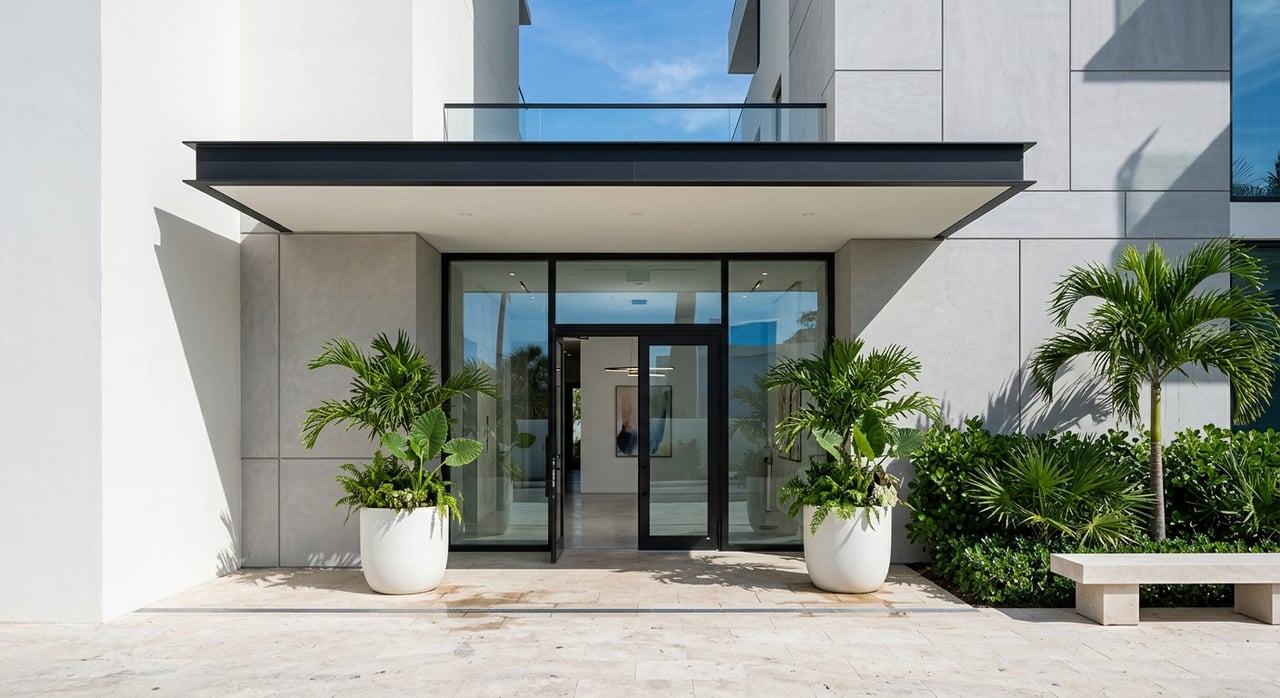
Buying a condo in West Palm Beach can feel exciting at first glance, but the real question is what that property will look like years from now, not just on closing day. If you plan to hold a condo long term, you need to look beyond the kitchen finishes and balcony view to understand the building’s financial health, maintenance habits, and rule structure. A smart review now can help you avoid costly surprises later and feel more confident about your decision. Let’s dive in.
Look Beyond the Unit
When you evaluate a condo for long-term potential, the building often matters more than the individual unit. In West Palm Beach, that is especially true because Florida condo law now puts major focus on structural inspections and reserve funding for qualifying buildings.
Buildings that are three habitable stories or higher must complete milestone inspections by the 30th year after the certificate of occupancy, and then every 10 years after that. In coastal areas, the first inspection may be required at 25 years, which makes building age an important part of your review.
For many associations that existed on or before July 1, 2022 and are controlled by unit owners, a structural integrity reserve study was required by December 31, 2025, with a limited extension to December 31, 2026 when completed alongside a required milestone inspection. That means long-term buyers should pay close attention to whether the building has completed the required steps and what those reports reveal.
Review the Association’s Financial Picture
A beautiful lobby does not tell you whether a condo association is financially prepared for the future. To judge long-term potential, start with the current annual budget and the year-end financial statement.
These documents can help you see how the building collects and spends money, how reserves are handled, and whether the association appears organized and transparent. Florida law also sets different financial reporting levels based on association revenue, which can give you insight into how formal the reporting process is.
You should also review the reserve schedule and compare it with the most recent structural integrity reserve study. If the budget and reserve plan do not line up with the study, that can point to future cost pressure for owners.
Why reserves matter
Reserve funding is one of the clearest indicators of long-term stability. For budgets adopted on or after December 31, 2024, associations that must obtain a structural integrity reserve study generally may not vote to provide no reserves or less reserves than required for the covered items.
That matters because reserve adequacy often acts as a practical signal of assessment risk. If reserves are weak, owners may face special assessments, loans, or delayed repairs when major projects come due.
What the reserve study should cover
The reserve study is not just a technical report. It covers some of the costliest parts of a building, including:
- Roof
- Structure
- Fireproofing and fire protection systems
- Plumbing
- Electrical systems
- Waterproofing and exterior painting
- Windows and exterior doors
- Other qualifying items with deferred maintenance or replacement costs above the statutory threshold
If these categories are underfunded, your monthly ownership cost may look reasonable today but become much harder to manage over time.
Ask About Assessments and Borrowing
One of the simplest ways to evaluate long-term condo potential is to ask direct questions about how the association has handled big expenses. A condo may still be a solid choice if it has had assessments before, but you want to understand the pattern.
Ask whether the building has had special assessments, whether reserve contributions were ever paused, and whether the association has used a line of credit or loan for capital projects. Florida law allows these funding tools, but they can affect owner costs and reveal whether the association has been proactive or reactive.
A well-run building usually shows a clear connection between its reserve study, annual budget, and long-term repair planning. If that connection is missing, you should look more closely.
Check Records and Responsiveness
Transparency matters. Florida condo law treats access to official records as a buyer issue, not just an owner issue.
Official records include items such as the declaration, bylaws, rules, minutes, accounting records, bids, permits, and inspection reports. Many of these records must be kept for at least seven years, while structural and life-safety inspection reports must be kept for 15 years.
In general, records must be made available within 10 working days after a written request. If records are incomplete, delayed, or hard to obtain, treat that as a warning sign rather than a small inconvenience.
Documents to request
A strong condo review in West Palm Beach should include these documents:
- Declaration
- Bylaws
- Rules and regulations
- Current annual budget
- Annual financial statement
- Milestone inspection summary, if applicable
- Most recent structural integrity reserve study, or statement that one has not been completed
- Turnover inspection report, if applicable
Florida’s resale disclosure rules make these materials especially important before closing. For contracts entered after December 31, 2024, the sale contract must also disclose whether the association was required to complete a milestone inspection, turnover inspection report, or structural integrity reserve study and had not completed it.
Understand Rental Flexibility Early
If there is any chance you may rent the condo in the future, do not wait until after contract to study the rental rules. Long-term potential is closely tied to how flexible the association is.
Start with the declaration, bylaws, and rules. Those governing documents will tell you more than city-level rental requirements alone because a condo can comply with city rules and still be limited by association restrictions.
Pay attention to:
- Minimum lease terms
- Rental caps
- Board approval requirements
- Transfer fees
- Possible lessee security deposit requirements
If association approval is required and the documents authorize a fee, Florida law caps the transfer fee at $150 per applicant. The association may also require a prospective lessee security deposit of up to one month of rent in escrow.
At the city level, West Palm Beach requires a rental tax application for all rental units. The city also requires zoning review and inspection, and its guidance for multifamily rental property, including condos, says applicants must comply with any current geographic caps.
For second-home buyers and small investors, these details can shape future cash flow, timeline, and flexibility.
Evaluate Flood and Insurance Risk
In West Palm Beach, long-term condo potential is not just about the building itself. You also need to understand the property’s flood exposure and insurance picture.
The city maintains a Community Rating System Class 5 rating, which corresponds to a 25% discount on National Flood Insurance Program policies issued in the city. The city also provides flood information that includes base flood elevation, design flood elevation, and access to FEMA flood map information.
Palm Beach County guidance also points buyers to flood maps, storm-surge maps, and elevation certificates for official risk review. County materials identify A and V zones as higher-risk flood areas, which makes flood zone research a standard part of condo due diligence.
Questions to ask about insurance
When reviewing a West Palm Beach condo, ask how these costs and coverages fit together:
- Monthly HOA fee
- Association master insurance arrangement
- Flood policy details
- Wind coverage
- Special deductibles
- Whether separate contents coverage may be needed
The city notes that homeowners insurance typically does not cover flood damage, and flood insurance may be available even outside mapped flood zones. For a long-term owner, this is not a minor detail. It can directly affect affordability over time.
Focus on the Building’s Long-Term Habits
The best condo buildings usually show a pattern of planning, not scrambling. You want to see steady reserve contributions, timely reporting, accessible records, and a realistic approach to maintenance.
Try to think like a long-term owner instead of a short-term shopper. A unit with stylish updates can still sit inside a building that is underfunded, heavily restricted, or exposed to rising costs.
On the other hand, a condo in a well-managed building with strong reserves, clear records, reasonable rules, and a realistic insurance setup may offer much better staying power. That is often what supports long-term value and peace of mind.
A Simple Buyer Checklist
If you want a practical framework, use this checklist as you compare West Palm Beach condos:
- Review the annual budget and year-end financials
- Compare the reserve schedule to the latest reserve study
- Confirm whether milestone inspections apply and whether they are complete
- Ask about special assessments, loans, or lines of credit
- Review declaration, bylaws, and rules for rental limits and approval steps
- Verify transfer fees and possible lessee deposit requirements
- Check flood zone, storm-surge exposure, and elevation certificate status
- Review how flood, wind, and master insurance costs may affect ownership
- Treat delayed or incomplete records as a serious concern
A condo is never just a unit number. In West Palm Beach, it is also a financial structure, a maintenance system, and a set of rules that can shape your ownership experience for years.
If you want help comparing condo buildings, reviewing red flags, or narrowing your search to properties that better match your long-term goals, Sommar Clark can help you approach the process with clear local guidance and a practical eye.
FAQs
What documents should you review before buying a West Palm Beach condo?
- You should request the declaration, bylaws, rules, annual budget, annual financial statement, milestone inspection summary if applicable, the most recent structural integrity reserve study or statement of non-completion, and the turnover inspection report if applicable.
Why do condo reserves matter for a West Palm Beach buyer?
- Reserve funding helps cover major building components like the roof, structure, plumbing, electrical systems, waterproofing, and windows, and weak reserves can increase the chance of future special assessments or borrowing.
How can you tell if a West Palm Beach condo association is financially healthy?
- Review the current budget, year-end financial statement, reserve schedule, and reserve study, then ask whether the association has had special assessments, paused reserve contributions, or relied on loans or lines of credit for major work.
Can you rent out a condo in West Palm Beach later on?
- Possibly, but you need to review both the condo association’s governing documents and the city’s rental requirements because lease terms, rental caps, approval rules, fees, and city application requirements can all affect your options.
Why should flood risk be part of West Palm Beach condo due diligence?
- Flood exposure can affect insurance costs, ownership risk, and long-term affordability, so you should review flood zone data, storm-surge exposure, elevation information, and how flood coverage fits with the building’s overall insurance setup.
