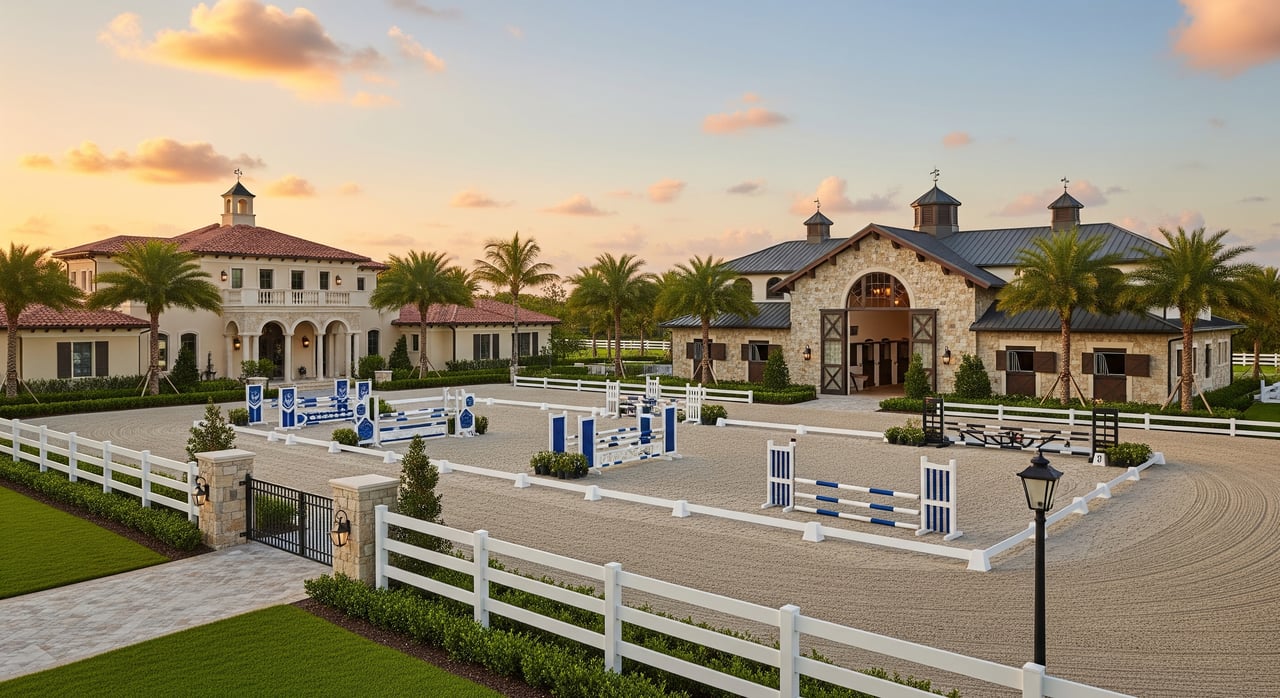
Dreaming of riding from your own barn to show grounds in minutes? In Wellington, the right equestrian property is more than a pretty farmhouse. It is a working system where soils, drainage, stall design, and access can make or break your daily routine and your horses’ well-being. In this guide, you will learn how to match acreage to your goals, what to look for in barns and arenas, how to navigate local rules, what costs to plan for, and which inspections to prioritize before you buy. Let’s dive in.
Start with your program and acreage
Before you fall in love with a barn aisle, define how you will use the property. Your intended program drives acreage, layout, and features.
- Small lifestyle setup: 1 to 5 acres can work for 1 to 4 horses with careful turnout planning and a sacrifice paddock for wet periods.
- Training or boarding focus: Many working farms in Wellington run on 5 to 20 acres to allow multiple paddocks, ring space, parking, and support areas.
- Larger operations: 20 acres or more can support broader turnout, staff circulation, and event-scale parking. Availability is more limited, so plan ahead.
Layout matters as much as size. Look for clear traffic flow for trailers and deliveries, room for a proper arena, and space to rotate paddocks without overgrazing.
Site and drainage essentials
South Florida’s high water table and flat terrain mean drainage is a top priority. Standing water stresses horses, damages footing, and wears down structures.
- Understand the water table: Ask about the depth to seasonal high water. It affects stall comfort, septic performance, and arena construction.
- Evaluate grading and fill: Positive drainage away from barns and arenas is key. Confirm whether prior fill is suitable and properly compacted.
- Respect water rules: Altering water flow may require approval from the South Florida Water Management District. Coordinate early if you plan to regrade or add water control structures.
- Check flood risk: Review FEMA flood maps and local floodplain designations. Flood zone status can change foundation design and may trigger flood insurance if you finance.
- Plan access for heavy vehicles: Ensure gates, driveways, and turnarounds handle feed trucks and horse vans without rutting or tight backing.
Utilities also shape daily operations. Confirm municipal water availability or plan for well testing. Check that electrical service can support barn lighting, hot water, and equipment. If you rely on a generator, confirm transfer switch and fuel access for hurricane season.
Barns, arenas, and paddocks that work here
Well-designed facilities keep horses comfortable and staff efficient in Wellington’s heat, humidity, and seasonal rains.
Barn design that breathes
- Stall sizing: 10x10 to 12x12 is common for performance horses. Larger breeds or broodmares may need more space.
- Ventilation and light: Cross-ventilation, ridge vents, and high eaves reduce heat and humidity. Open-air designs are common, but fly control and weather protection still matter.
- Floors and aisles: Choose non-slip materials with good drainage. Finished concrete with proper joints or compacted surfaces both work when maintained.
- Support spaces: Wash racks with hot and cold water, secure tack rooms, laundry separated from feed, and safe electrical distribution are daily workflow essentials.
Arena footing and maintenance
- Footing types: Sand, sand-fiber, wax-coated sands, and composite mixes each have different drainage and dust profiles. Match footing to your discipline and maintenance bandwidth.
- Watering and grooming: Plan for regular dragging and irrigation. Mechanized systems or water trucks are common to maintain consistency.
- Covered arenas: These extend riding days in sun and rain but must meet Florida wind codes. Consider the cost, maintenance, and resale appeal for your program.
- Dimensions: Dressage and jumping require different sizes and warm-up areas. Confirm there is enough room for the main arena and safe approaches.
Safe fencing and smart turnout
- Fence choices: Post-and-rail, vinyl, pipe, or high-tensile electric each offer different visibility and maintenance needs. Prioritize horse safety and visibility.
- Paddock planning: Use cross-fencing to rotate turnout. Include a sacrifice lot and run-in sheds for wet periods to protect grass and hooves.
Waste and wash-water management
- Manure handling: Decide between composting on site or hauling off site. Site storage away from waterways and plan for runoff control.
- Wash-water and septic: Wash racks and laundry can strain a residential-scale septic. Confirm system size, condition, and what is permitted.
Security and workflow
- Lighting and gates: Perimeter lighting with down-shielding and secure entry reduce risk while respecting neighbors.
- Loading and access: Level, hardstanding areas speed up unloading and reduce stress for horses and drivers.
Proximity to WEF and PBIEC
If you plan to compete or support clients during season, distance to show grounds is more than a convenience. Shorter travel times can reduce stress on horses and simplify staff logistics. Look at:
- Travel time via local roads to PBIEC and related venues.
- Trailer routes and gate clearances for larger rigs.
- Availability of nearby schooling options and warm-up areas.
Properties closer to major venues often see stronger demand. Review local comparable sales and weigh travel efficiency against your overall wish list.
Zoning, permits, and community rules
Your intended use must align with local rules. Save time by verifying these items early.
- Zoning and permitted uses: Check the Village of Wellington zoning code and Palm Beach County land use rules to confirm whether boarding, training, or riding instruction is allowed as of right or by special exception.
- Commercial operations: Boarding or training for pay may require business licensing, special use approvals, and site upgrades such as parking or restrooms.
- Agricultural exemptions: Some exemptions exist but have specific criteria. Confirm with Village and County staff before assuming eligibility.
- HOA covenants: Many communities regulate fencing styles, barn appearance, lighting, signage, and the number of animals. Read covenants and restrictions, not just summaries.
- Environmental oversight: Changes to drainage or water control often fall under South Florida Water Management District review. Wetland areas may require professional delineation before you build or expand.
Hurricanes, codes, and insurance
Wellington properties must comply with Florida Building Code for wind resistance. Barns, covered arenas, and outbuildings need proper anchoring and design suited to high-wind areas. Plan for:
- Shutters or wind-rated openings where applicable.
- Generator capacity for critical barn systems.
- Evacuation planning and safe sheltering for horses.
Insurance costs for wind and flood can be material. Ask for quotes based on your intended operations and confirm any special requirements for commercial boarding or training activities.
Carrying costs and financing basics
Every equestrian operation carries ongoing costs. Build a realistic budget that scales with your horse count and program intensity.
- Taxes and insurance: Property taxes are based on assessed value and local millage rates. Insurance needs can include homeowners or farm policies, commercial liability, wind, and flood.
- Utilities and services: Water for irrigation, electricity for lights and pumps, septic maintenance, and garbage add up. Arena watering alone can be a meaningful line item.
- Horse care: Feed, hay, bedding, farrier care, veterinary care, and supplements scale with the number of horses and your competition schedule.
- Labor: Full-time managers and grooms, or outsourced services, require payroll systems and workers’ compensation where applicable.
- Facility upkeep: Footing top-ups, arena dragging, fencing repairs, pest control, and equipment maintenance are recurring needs.
Think in tiers rather than fixed numbers:
- Private lifestyle farm with 1 to 4 horses: Lower staffing, moderate utilities and feed, owner-managed labor.
- Medium working stable with 5 to 20 horses: Larger labor needs, higher insurance, frequent arena maintenance, more bedding and waste handling.
- 20+ horse training or boarding facility: Commercial-level staffing, equipment upkeep, and more complex septic and waste systems.
Financing depends on how you use the property. Conventional mortgages are common for homes with horse facilities. If the property will produce income from boarding or training, a commercial loan may be considered. Lenders often request documented income, adequate utility capacity, and relevant comparable sales for appraisal. Keep cash reserves for unexpected repairs and seasonal cost swings.
Due diligence checklist before you buy
Do not skip specialized inspections. Florida’s soils, water table, and climate require a deeper look.
- Title and covenants: Confirm easements, right-of-way, and any restrictions on equestrian or commercial use.
- Zoning verification: Confirm permitted uses with the Village of Wellington and Palm Beach County. Ask about steps and timelines for special exceptions if needed.
- Barn and arena inspection: Engage a barn-experienced builder or engineer to evaluate structure, anchoring, roofs, electrical, and water distribution.
- Soils and drainage: Order soil and compaction testing if you plan new construction or if the site shows ponding. Verify any historic permits and water control structures.
- Septic and water: Inspect septic, confirm system size, and review pumping records. Test well water if applicable.
- Flood and wetlands: Check FEMA flood maps and arrange professional delineation if you suspect wetlands.
- Home and pest: Complete a general home inspection and a termite evaluation. Termites are a known risk in Florida.
- Operations review: If you are buying an active business, review boarding contracts, staff agreements, and historical revenue and expense records.
- Insurance pre-quotes: Obtain quotes that match your intended use. Some insurers require specific fencing or fire safety measures for coverage.
Pro tip: Put key approvals and inspections into your contract timelines so you have the right to cancel or renegotiate if something material surfaces.
Build your local team
A strong vendor network keeps your operation running smoothly through show season and summer storms.
- Equine veterinarians and hospitals with performance-horse expertise
- Arena footing suppliers and Florida-experienced barn builders
- Irrigation, landscape, and pasture-management contractors
- Fencing contractors with equine portfolios
- Septic and wastewater consultants who know local rules
- Manure hauling or composting services
- Farriers, feed and hay suppliers, dental and reproductive specialists
- Insurance brokers familiar with equine and boarding coverage
Tap local trainers, barn managers, show stables, and seasonal vendor directories to vet providers with Wellington experience.
Your next steps
If Wellington is where you plan to ride, train, and compete, the right property can streamline your program and protect your investment. Start by defining your ideal horse count and daily workflow, then filter properties for drainage, utility capacity, and realistic travel times to the show grounds. Build a due diligence plan with the inspections listed above, and line up insurance and financing that match your intended use.
Ready to walk properties and talk through the trade-offs? Reach out to Sommar Clark for a tailored search, on-the-ground insight, and introductions to trusted local vendors.
FAQs
How much acreage do I need for a Wellington horse property?
- It depends on your program. Private owners with 1 to 4 horses can often manage on smaller acreage with a sacrifice paddock. Working boarding or training operations typically look for 5 to 20 acres or more to allow multiple paddocks, parking, and an arena.
What are the biggest property risks in Wellington’s climate?
- The high water table and flat terrain can cause poor drainage and seasonal flooding. Hurricane wind exposure, septic capacity, and utility constraints are additional concerns that deserve early inspection.
What should I prioritize in barn and arena design for Florida?
- Strong ventilation, shade, and drainage are essential. Choose safe, visible fencing, plan for wash-water handling and manure storage, and design arenas with footing and irrigation suited to your discipline and workload.
Can I run a boarding or training business from a residentially zoned property?
- Sometimes, but you may need special permits and to meet requirements for parking, restrooms, and waste handling. Confirm rules with the Village of Wellington and Palm Beach County before you buy.
How do I budget ongoing costs for an equestrian property?
- Build a line-item plan for feed and bedding, farrier and veterinary care, labor, utilities, insurance, arena upkeep, fencing, and manure removal. Scale each category to the number of horses and your level of competition.
Which inspections are essential before closing on a horse property?
- A barn and arena structural review, soils and drainage assessment, septic inspection and well testing if applicable, flood and wetlands review, general home inspection, and a termite inspection are all important in this market.
